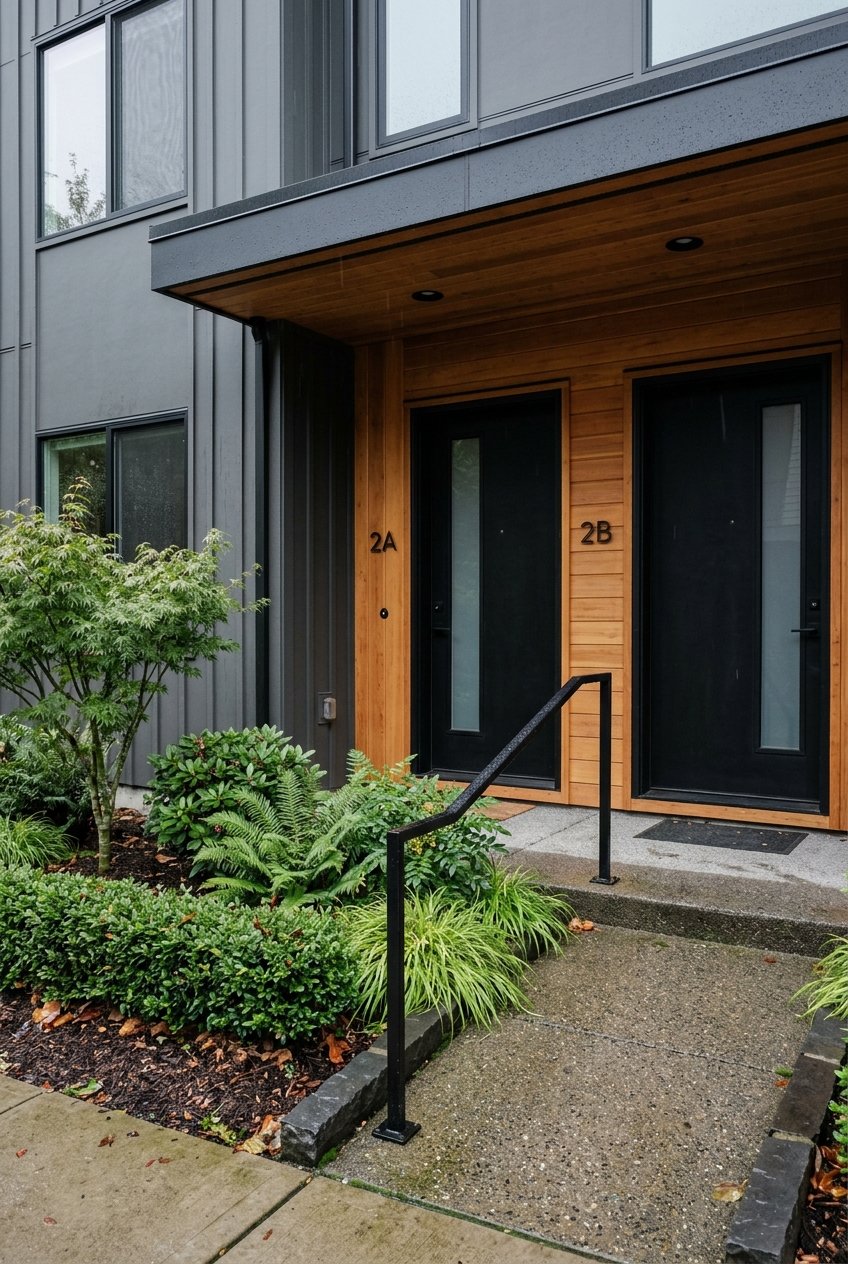
Low-Maintenance Living In Cedar Mill Condos And Townhomes
July 16, 2026
July 16, 2026
Wondering if you can enjoy homeownership in Cedar Mill without spending every weekend on yard work, exterior repairs, or endless upkeep? You are not alone. In a well-established, high-value market like Cedar Mill, condos and townhomes can offer a practical path to ownership with a more manageable day-to-day lifestyle. This guide will help you understand what low-maintenance living really means here, what to watch for in HOA documents, and how to compare your options with confidence. Let’s dive in.
Cedar Mill sits in unincorporated Washington County, directly north of Beaverton and west of Portland city limits, about five miles west of downtown Portland. Highway 26 and Highway 217 cross the area, which supports convenient regional access. That location helps explain why many buyers look here for a balance of residential living and everyday convenience.
Washington County describes Cedar Hills-Cedar Mill as a predominantly residential community. The county’s updated plan also notes that existing high-density housing is already concentrated west of NW Barnes and NW Cornell, where apartment and condominium complexes fit the surrounding retail and service pattern. In other words, condos and townhomes are not an odd fit here. They are already part of the community’s housing pattern.
The local planning framework continues to support medium- and high-density residential growth in parts of the area. The county also emphasizes more shopping and employment nearby so residents can make shorter trips. For buyers who want less upkeep and easier access to daily needs, that planning direction adds to Cedar Mill’s appeal.
Recreation is another part of the lifestyle equation. Most of the community lies within THPRD, which owns and maintains 23 park and recreation sites in the planning area. If you want more time to enjoy the area instead of maintaining a property, low-maintenance housing can make a lot of sense.
Cedar Mill is a mature ownership market. According to the U.S. Census Bureau, the population was 17,259 in 2020, and the owner-occupied housing rate was 77.1%. The median owner-occupied home value was $878,300, with median monthly owner costs of $3,335 for homes with a mortgage.
The same Census data shows a median rent of $1,882 and a median commute time of 24.6 minutes. It also reports that 72.3% of adults age 25 and older hold a bachelor’s degree or higher, and 12.9% of residents are age 65 and older. Together, those figures suggest a market that may appeal to professionals, established households, and some buyers who want to simplify their housing responsibilities.
Low-maintenance living does not mean no maintenance. It usually means less personal responsibility for exterior chores and more shared responsibility through an association. That can be very appealing, but it also means you need to understand exactly what is covered and what still belongs to you.
In Oregon, a condominium is a specific legal form of ownership. The Oregon Real Estate Agency explains that condo owners hold title to their individual unit plus an undivided interest in the common elements. Each owner is also automatically a member of the association.
Those common elements can include structural components, utility services, landscaping, and parking areas. That is why many condo owners handle fewer exterior tasks themselves. Instead, those responsibilities are often managed through the association and funded through monthly dues.
Townhomes can be different. A townhome is not automatically a condo just because of its exterior style or shared-wall design. In Oregon, condominiums and planned communities are governed under different statutory frameworks, so you cannot rely on the marketing label alone to know who handles roofs, siding, landscaping, or exterior repairs.
If you are comparing condos and townhomes in Cedar Mill, the most important question is not how the property looks from the street. The key question is how the property is legally structured. That legal structure affects maintenance responsibility, monthly costs, rules, and long-term planning.
Here is a simple way to think about it:
| Property Type | What to Verify |
|---|---|
| Condominium | Your unit ownership, shared common elements, association responsibilities, reserve funding, and governing documents |
| Townhome in a planned community | Whether exterior maintenance is shared or owner-handled, what dues cover, reserve planning, and recorded community documents |
A townhouse-style home may still leave you responsible for more upkeep than you expect. On the other hand, a condo may include broader shared maintenance than a buyer first assumes. The answer should come from the recorded declaration, bylaws, and current rules, not from listing language alone.
If you want low-maintenance living, the HOA file is not just paperwork. It is one of the clearest windows into how the community functions and whether the lifestyle matches your expectations. It also helps you spot the difference between a well-run association and one that may create future stress.
For condominiums, Oregon law and the Oregon Real Estate Agency outline a clear documentation trail. Developer filings include the declaration, bylaws, disclosure statement, unit sales agreement, title report, filing forms, and plat. The state reviews and approves condominium filings, while the county reviews the plat and declaration for conformance.
For an existing condo association, Oregon law requires owners to be able to access key records. These include the declaration and bylaws, current rules and regulations, the most recent annual financial statement, the current operating budget, the reserve study if there is one, and architectural standards and guidelines. Those records can tell you a great deal about how the property is managed.
Planned communities have a similar paper trail. Oregon’s planned-community statute requires qualifying communities to maintain reserve accounts, reserve studies, and maintenance plans, along with annual budgets that include reserve funding. The association must also retain required records in Oregon and provide them on written request.
One of the biggest benefits of low-maintenance ownership is shared planning for major repairs. One of the biggest risks is assuming that planning is stronger than it really is. That is why reserve funding matters.
Oregon law requires condominium associations to maintain a reserve account for major maintenance, repair, or replacement of common elements. The law also requires the reserve study to be reviewed or updated annually. Planned communities in the applicable statutory categories have similar duties involving reserve accounts, reserve studies, maintenance plans, and annual budgets.
For you as a buyer, this matters because monthly dues are only part of the story. A lower fee may look attractive at first, but it may not be a bargain if reserve funding is thin or major work is approaching. Stronger planning can support a smoother ownership experience.
A condo or townhome can be a great fit in Cedar Mill, but only if the maintenance model matches your expectations. Before you move forward, ask questions that help you compare not just price, but also responsibility, rules, and future costs.
Start with these:
These questions can protect you from surprises. They can also help you compare two similar-looking properties that may operate very differently behind the scenes.
In Cedar Mill, detail matters because you are shopping in a relatively high-cost ownership market. Looking only at the list price can lead to the wrong conclusion. A better comparison includes the total monthly picture and the practical side of ownership.
As you compare homes, consider:
This is where careful guidance can make a real difference. Reading HOA documents line by line, comparing budgets, and checking whether the recorded documents match the marketing description can help you choose a property that truly fits your lifestyle.
Low-maintenance living can work well for many types of buyers in Cedar Mill. If you are a busy professional, you may value fewer exterior responsibilities and easier lock-and-leave convenience. If you are downsizing, you may want ownership without the same level of property upkeep.
It can also be a strong option if you want to stay in a highly desirable area while keeping your homeownership responsibilities more manageable. The right condo or townhome can give you access to Cedar Mill living with a structure that feels easier to maintain over time. The key is choosing the right community, not just the right floor plan.
The best low-maintenance purchase is not always the one with the newest finishes or the lowest dues. It is the one where the legal structure, budget planning, maintenance responsibilities, and house rules all align with how you want to live. In Cedar Mill, that kind of careful comparison is especially important.
When you approach the search with clear questions and strong document review, you can shop with more confidence. And when you have a calm, detail-focused guide by your side, the process tends to feel much more manageable.
If you are thinking about buying or selling in Cedar Mill and want clear, patient guidance through every detail, Masa Vanli Veysel can help you compare neighborhoods, evaluate condos and townhomes, and move forward with confidence.
Stay up to date on the latest real estate trends.
Real estate is more than a transaction—it’s a major life decision. Masa takes the time to understand your goals, answer your questions, and guide you with honesty and care. From first showing to closing day, you’ll feel supported, informed, and confident in every move you make.
9200 SW Barnes Rd Ste 102 Portland, OR 97225