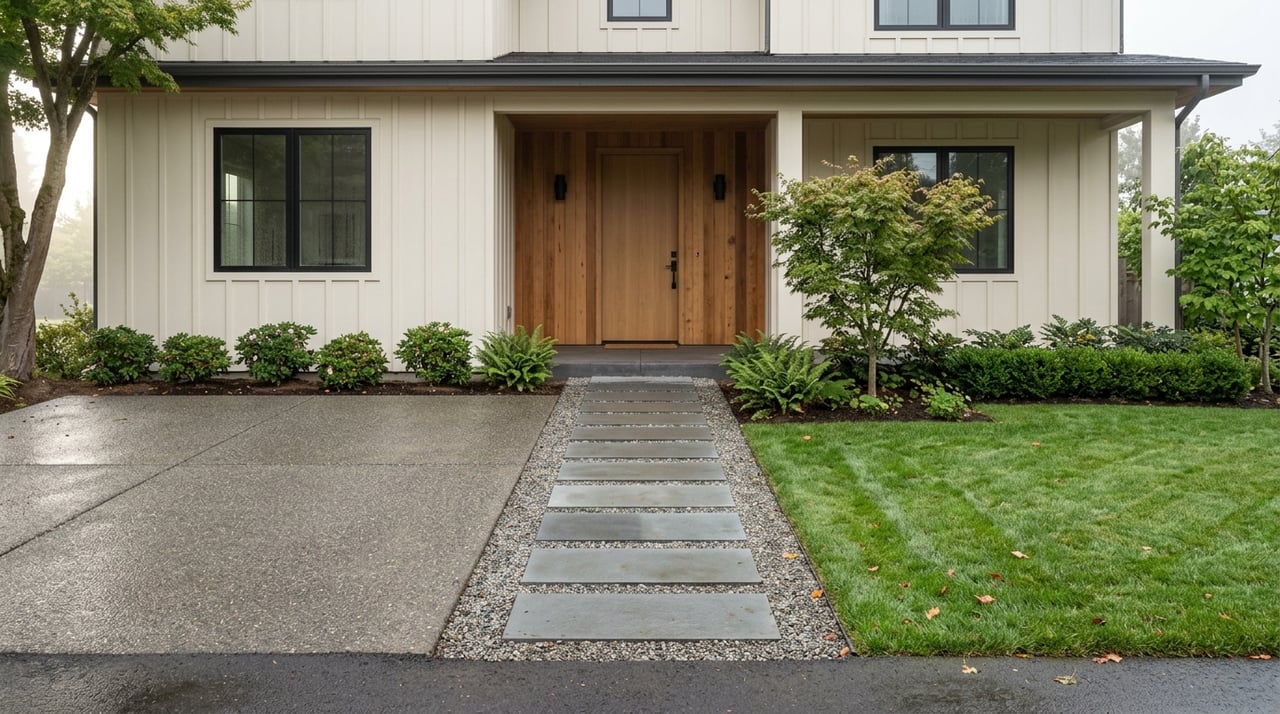
Bethany Neighborhood Guide For Quiet Suburban Living
July 9, 2026
July 9, 2026
Looking for a place that feels calm, residential, and connected without giving up everyday convenience? Bethany stands out for buyers who want a quieter suburban setting in the Portland area, with green space, practical commute options, and a town-center feel that keeps errands simple. If you are considering a move here, this guide will help you understand how Bethany is laid out, what kinds of homes you may find, and why so many buyers are drawn to its balanced lifestyle. Let’s dive in.
Bethany has a distinctly suburban character shaped by county planning that concentrates more intensive uses in key focal areas while protecting surrounding residential neighborhoods from conflicting land uses. In practice, that helps much of the area feel more peaceful and residential from block to block.
Washington County also identifies single-family residential uses as the predominant housing type in Bethany. Features like Rock Creek and Bronson Creek help buffer low- and medium-density residential areas, which supports the neighborhood’s quieter street pattern and overall suburban feel.
One of Bethany’s biggest strengths is how its layout separates the busier commercial activity from most residential streets. Rather than spreading shops and larger mixed-use areas throughout the community, the county plan centers much of that activity in Bethany Village and other focal areas.
That planning approach matters if you value a calmer home environment. You can enjoy access to daily conveniences while still living in an area where the overall pattern remains mostly residential.
Bethany Village is the community’s core town-center node. Washington County describes it as the developed center of the Bethany Town Center, where retail and mixed-use development are concentrated in one place.
For you as a resident, that often means errands can feel more streamlined. The center includes a grocery store, retail shops, offices, restaurants, mixed-use retail and residential buildings, a daycare, an education center, and a public plaza and fountain used for gatherings and concerts.
Bethany is a larger residential community with 31,350 residents recorded in the 2020 Census. In the 2020 to 2024 American Community Survey estimates, 66.4% of housing units were owner-occupied, which supports Bethany’s identity as a largely owner-occupied suburban market.
The same Census profile reports a median value of $751,700 for owner-occupied homes. That figure gives you useful context if you are beginning your home search and trying to understand how Bethany fits into your budget and long-term plans.
Much of the wider Bethany area is predominantly single-family in character, especially in the northern planning area and east of Kaiser Road. If you are looking for a more traditional suburban layout with detached homes, that is a key part of Bethany’s appeal.
This pattern also supports the neighborhood’s quieter feel. When the majority of housing is single-family and busier uses are concentrated elsewhere, the result is often a more settled residential rhythm.
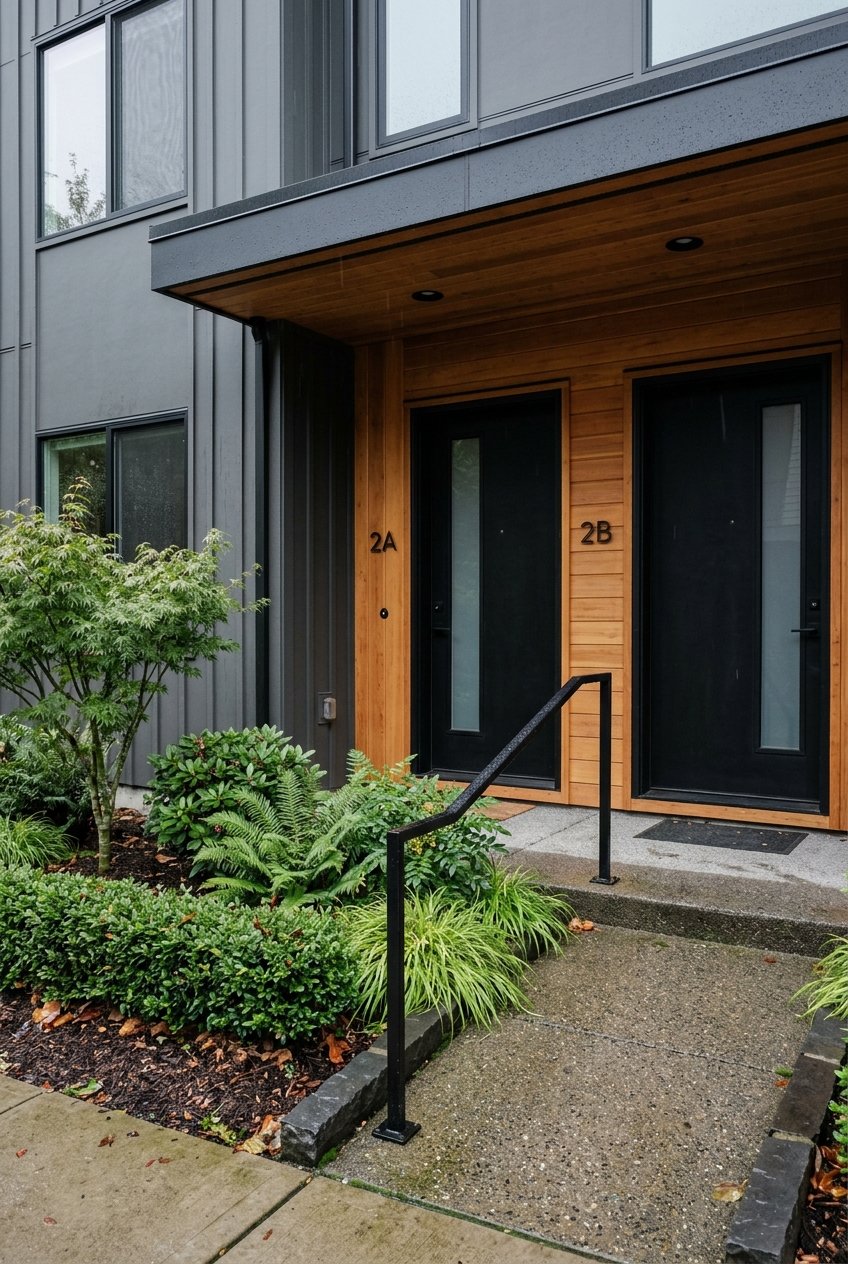
Bethany is not limited to one housing type. Within Bethany Village, the housing mix broadens to include attached single-family homes, townhomes, apartments, and condominiums.
That can be helpful if you want options besides a detached home. Depending on your goals, this wider mix may suit first-time buyers, buyers who prefer lower-maintenance living, or anyone who wants to stay closer to the neighborhood’s main shopping and gathering area.
Bethany’s green spaces are a major part of daily life. If quiet suburban living means having places to walk, recharge, and spend time outdoors, this area offers several notable options.
The neighborhood’s parks and trails help reinforce its low-key character. Instead of feeling purely built out, Bethany includes recreational spaces that support walking, biking, and casual outdoor time close to home.
THPRD describes Bethany Lake Park as a neighborhood park with lawns and trails around Bethany Lake. It also includes picnic areas, a community garden, and fishing with a valid Oregon license.
The park is also part of the Rock Creek Regional Trail system. That gives residents a blend of neighborhood-scale recreation and broader trail connectivity, which is a strong lifestyle feature for many buyers.
The Rock Creek Trail adds a larger recreational corridor through the Bethany area. THPRD describes it as an accessible trail network that runs through forests, wetlands, meadows, and parks.
For everyday living, that creates flexible outdoor options. You can use it for walking, running, biking, or simply enjoying a bit of nature without needing to travel far.
Bethany also includes smaller outdoor spaces like Waterhouse Linear Park and Ben Graf Greenway. Waterhouse Linear Park sits on the Waterhouse Trail, while Ben Graf Greenway lies within the Rock Creek Trail greenway.
Together, these spaces contribute to the area’s green identity. They help make Bethany feel less hectic and more connected to the natural features that shape the neighborhood.
For many buyers, quiet living only works if daily errands are still convenient. Bethany does a good job balancing those needs because so much of the neighborhood’s shopping and services are centered in Bethany Village.
That concentrated pattern means you are not driving through commercial strips across the whole community. Instead, many day-to-day needs are gathered in one compact area while much of the surrounding neighborhood stays residential.
Bethany tends to work well for buyers who want a mostly residential setting but still need regional access. Car access remains important for broader travel, but the area also offers transit connections that can support commuting and day-to-day mobility.
Washington County notes that Bethany’s plan was designed to improve access to the Sunset Highway and employment areas south of it while reducing traffic through existing residential neighborhoods. That planning goal helps explain why Bethany often feels more orderly than areas where through-traffic is less controlled.
BethanyLink is a free weekday shuttle running between Sunset Transit Center and PCC Rock Creek. According to Washington County, it serves Bethany Village, North Bethany, Hansen Ridge Park and Westside Trail, and several employment destinations.
It also connects riders to TriMet MAX and bus lines. If you prefer having a transit option available, even if you still use a car regularly, that added flexibility can be valuable.
Sunset Transit Center sits on Barnes Road at the Highway 26 and 217 interchange. TriMet states that it connects to the MAX Blue and Red lines plus several bus routes.
For Bethany residents, this is a key transit bridge to downtown Portland and other west-side destinations. It gives the neighborhood a more workable connection to the larger metro area without changing Bethany’s suburban feel.
TriMet Route 67 connects Merlo and Southwest 158th Avenue MAX Station with PCC Rock Creek by way of 158th, Bethany, and Springville. TriMet identifies Merlo and Southwest 158th as a Blue Line and Red Line station with service to Hillsboro and Portland City Center.
This gives Bethany another useful regional transit path. If transit matters to you, it is worth noting that residents often plan around weekday shuttle service and the MAX network rather than expecting an urban-style walk-everywhere setup.
Bethany tends to appeal to buyers who want a residential suburban environment with access to trails, parks, and practical daily shopping. It can be especially appealing if you want a neighborhood that feels organized and primarily residential, rather than dense or highly urban.
You may also appreciate Bethany if you want housing options that range from detached homes to townhomes and condos, depending on location. That variety can make the neighborhood relevant to first-time buyers, move-up buyers, and people relocating within the Portland metro.
Bethany offers a strong suburban lifestyle, but it helps to go in with clear expectations. This is generally a place where car access still matters, even with transit links available.
It is also a market where understanding location within the neighborhood can shape your experience. Areas near Bethany Village may offer more housing variety and closer access to errands, while other sections may align better with buyers looking for a more traditional single-family setting.
If you are thinking about buying or selling in Bethany, having calm, local guidance can make the process feel much easier. Masa Vanli Veysel offers thoughtful neighborhood insight, personalized support, and a clear step-by-step approach to help you move with confidence.
Stay up to date on the latest real estate trends.
Real estate is more than a transaction—it’s a major life decision. Masa takes the time to understand your goals, answer your questions, and guide you with honesty and care. From first showing to closing day, you’ll feel supported, informed, and confident in every move you make.
9200 SW Barnes Rd Ste 102 Portland, OR 97225