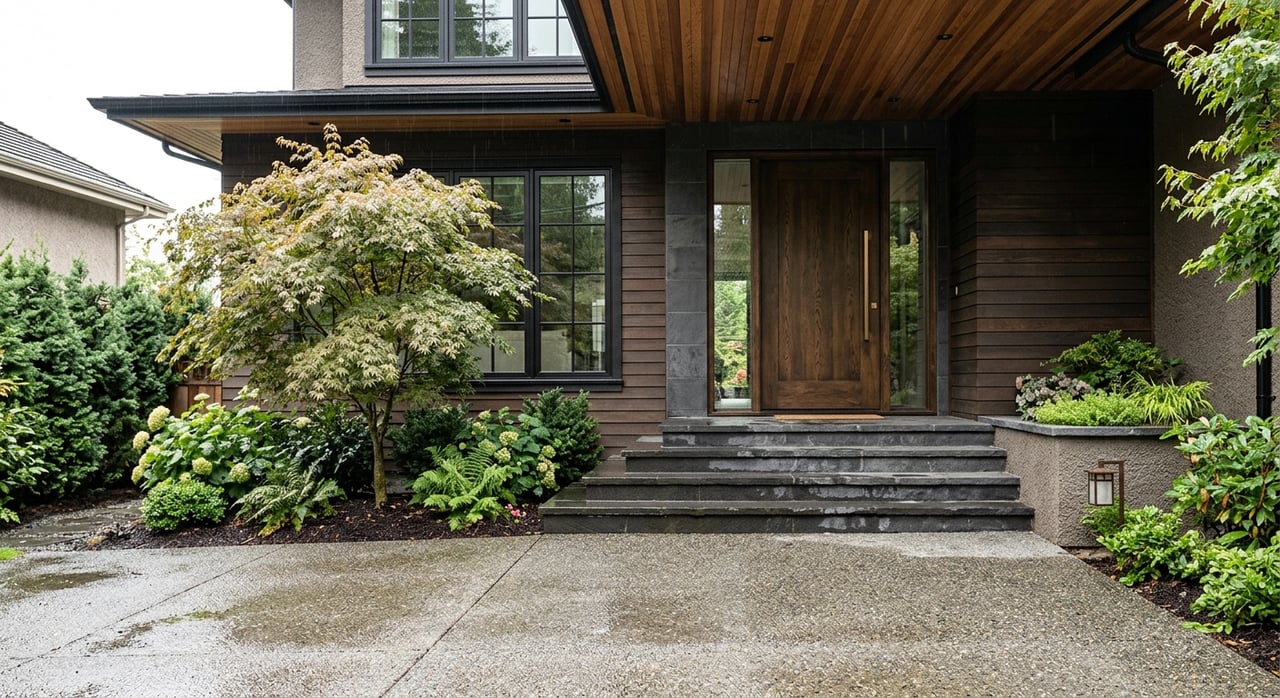
Lake Oswego Or West Portland: Choosing Your Next Area
June 11, 2026
June 11, 2026
Trying to choose between Lake Oswego and West Portland can feel harder than it looks on a map. Both areas offer attractive homes, convenient access to the wider Portland metro, and a strong sense of place, but they live very differently day to day. If you are weighing where you will feel most at home, this guide will help you compare housing, commute patterns, neighborhood feel, and lifestyle trade-offs so you can move forward with more confidence. Let’s dive in.
At a high level, Lake Oswego and West Portland offer two different ways to live near Portland. Lake Oswego is its own city in northwestern Clackamas County, about eight miles south of downtown Portland, with a more self-contained suburban identity.
West Portland is not one single city or neighborhood. It is better understood as a collection of Southwest and Westside Portland neighborhoods, each with its own character, amenities, and housing mix.
That difference matters when you start your home search. In Lake Oswego, you are choosing one city with a more unified feel. In West Portland, you are often choosing between several neighborhood pockets that can vary quite a bit from one another.
One of the biggest differences between these areas is the type of housing you are most likely to find. Lake Oswego still leans heavily toward detached homes, with about 73% of housing units classified as single-family and 27% as multifamily. Census data in the research report also shows a 69.3% owner-occupied rate.
That owner-oriented profile helps explain the city’s overall feel. Lake Oswego often appeals to buyers who want a more traditional suburban housing stock, with many older homes tied to development from the 1920s through the 1950s, plus newer options in some areas.
West Portland gives you more variety. Depending on the neighborhood, you may see a broader mix of single-family homes, smaller homes on larger lots, and more accessible entry points compared with Lake Oswego.
Here is a simple side-by-side look at the numbers in the research report:
| Area | Homeownership / Owner Occupancy | Median Home Value |
|---|---|---|
| Lake Oswego | 69.3% owner-occupied | $932,200 |
| Hillsdale | 65% homeownership | $639,045 |
| Multnomah | 52% homeownership | $506,850 |
| West Portland Park | 54% homeownership | $447,000 |
| Arnold Creek | 89% owner occupancy | $603,000 |
For many buyers, this comes down to budget and priorities. If you want a wider range of pricing and neighborhood choices, West Portland may give you more flexibility. If you are specifically looking for a polished, mostly detached-home market and are comfortable with a higher price point, Lake Oswego may feel like the clearer fit.
The lifestyle difference between these areas is just as important as the price difference. Lake Oswego tends to feel more centralized and cohesive, while West Portland feels more varied and neighborhood-driven.
Lake Oswego describes itself as primarily residential, with most commercial activity centered downtown, in Lake Grove, and along Kruse Way. That setup creates a stronger sense of one city with a few key hubs rather than many separate village centers.
Downtown Lake Oswego adds to that identity. The city describes it as a walkable lakefront business district with specialty shopping, dining, entertainment, the Millennium Plaza Park farmers market, civic uses like the public library, waterfront parks, and a sculpture walk.
For buyers who want a consistent city identity, that can be a major plus. You may find it easier to picture your routine when amenities feel connected under one local umbrella.
West Portland offers a more layered experience. Hillsdale has a village-center feel with a shopping center, farmers market, and library branch. Multnomah is anchored by Multnomah Village and Multnomah Arts Center.
Other areas bring a different setting. Hayhurst is noted for mature trees, winding streets, and smaller homes on larger lots, while Arnold Creek is wooded and sits near Tryon Creek State Natural Area and the edge of Lake Oswego.
That variety is a strength if you want options. It can also mean your search needs a little more focus, because the right fit may depend less on “West Portland” as a whole and more on the specific neighborhood that matches your lifestyle.
Both areas offer good regional access, but the transportation experience is not identical.
Lake Oswego’s commute pattern is still largely road-based. The city highlights access to I-5, Highway 217, I-205, and Highway 43, and the county addendum in the research report says 69% of workers drive alone, 5% carpool, 2% use public transit, 2% walk or bike, and 20% work from home.
TriMet service is available through the Lake Oswego Transit Center, with connections to routes 35, 37, 78, and 153. In practical terms, Lake Oswego works well for many buyers who expect to drive often but still want some transit options.
West Portland is also corridor-oriented, but with a different setup. Portland identifies the Barbur/Capitol Highway/I-5 Crossroads as a key node, and Barbur Transit Center connects to routes 12, 39, and 43.
West Portland Park is described by the city as more suburban in feel than neighborhoods closer to Portland City Center, with a relatively easy commute. Portland is also planning for future growth in the West Portland Town Center, which could matter if you are thinking about long-term area change.
If recreation and outdoor access are high on your list, this category is worth a close look.
Lake Oswego has a more unified recreation system. Lake Oswego Parks & Recreation manages more than 645 acres of park properties across more than 36 sites, plus over 45 acres of recreation facilities that include aquatics, golf, tennis, and water sports assets.
That scale can be appealing if you want a city where parks and recreation feel like a major part of the local identity. Combined with waterfront parks and the downtown lakefront setting, Lake Oswego offers a more concentrated amenity package.
West Portland is more decentralized. Amenities tend to be woven into neighborhood centers and natural settings rather than grouped under one citywide identity.
For some buyers, that feels more personal and flexible. You may prefer being close to a village-style commercial area, wooded streets, or nearby natural space, depending on the neighborhood you choose.
Lake Oswego is often a strong match if you want:
This area can especially appeal to move-up buyers or sellers planning their next purchase, because it offers a polished residential environment with a clear sense of place.
West Portland may be the better fit if you want:
This can be a smart path if you want flexibility. It is also helpful for buyers who are still narrowing down what matters most, whether that is budget, trees, commute patterns, or a more defined neighborhood center.
If you are deciding between these areas, try matching the location to your daily routine instead of comparing only price tags. Think about where you want to run errands, how often you expect to drive, and whether you prefer one cohesive city identity or a neighborhood-by-neighborhood search.
A practical West Portland strategy from the research report is to focus by subarea. Hillsdale or Multnomah may suit buyers who want a more defined village center, West Portland Park may appeal if you want a more suburban feel, and Arnold Creek or Hayhurst may be worth a look if you want more trees, larger lots, or a quieter residential setting.
Lake Oswego remains the stronger choice for buyers who prioritize a lakefront identity, a broader recreation system, and the feeling of living in a distinct city rather than a cluster of neighborhoods.
Choosing between Lake Oswego and West Portland is not really about which area is better. It is about which one fits your budget, routine, and long-term goals more naturally. If you want calm guidance as you compare neighborhoods, pricing, and home options across the Portland area, Masa Vanli Veysel offers personalized support with the clarity and care that can make your next move feel much easier.
Stay up to date on the latest real estate trends.
Real estate is more than a transaction—it’s a major life decision. Masa takes the time to understand your goals, answer your questions, and guide you with honesty and care. From first showing to closing day, you’ll feel supported, informed, and confident in every move you make.
9200 SW Barnes Rd Ste 102 Portland, OR 97225